
At some point every homeowner in New Hampshire faces the same question. Something goes wrong with the garage door and you have to decide whether to fix what you have or just replace the whole thing. It is not always an obvious call. The answer depends on a handful of things that are pretty specific to your situation, and getting it wrong in either direction costs you money you did not need to spend.
This is not a decision you need to overthink, but it is one worth thinking through properly before you call someone or start shopping for a new door.
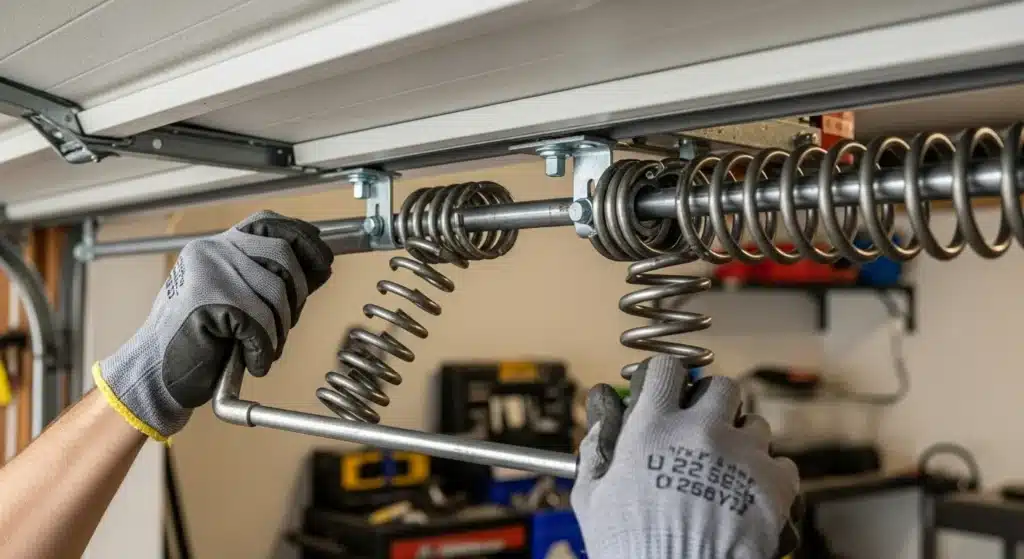
When Repair Is Almost Always the Right Move
If your garage door is less than ten years old and has been reasonably well maintained, repair is usually the smarter financial choice in most situations. A single broken spring, a snapped cable, a worn roller, or a malfunctioning opener are all fixable problems that do not say anything bad about the overall condition of the door itself.
Springs are probably the most common repair call in New Hampshire, especially in late winter and early spring when the metal has been contracting and expanding through months of temperature swings. A torsion spring replacement typically runs between $150 and $300 depending on the size of the door and the company you hire. That is a fraction of what a new door costs and the fix is usually done in under two hours.
The same logic applies to opener problems, bent panels from a minor impact, or a bottom seal that has finally worn out. These are normal wear and tear issues. Replacing a perfectly solid door because one component failed is like buying a new car because the battery died.
When Replacement Starts to Make More Sense
There are situations where putting more money into repairs stops making financial sense, and it is worth being honest with yourself about when you have crossed that line.
If your door is fifteen to twenty years old and you are on your second or third repair in the past couple of years, you are likely in a cycle that is only going to continue. Older doors were not built to the same insulation and efficiency standards that newer ones are, and in a New Hampshire winter that gap matters. A door that lets cold air pour through is quietly adding to your heating bill every single month from November through March.
If the door has significant structural damage, meaning panels that are warped or cracked beyond cosmetic issues, or a frame that has shifted and no longer sits properly in the opening, repairs can get expensive fast and sometimes do not even hold the way they should. At that point you are spending money to extend the life of something that is already past its best years.
A good rule of thumb that contractors in this area often use is this. If the repair is going to cost more than half of what a replacement would cost, replacement is usually the better investment. You get a warranty, better insulation, updated hardware, and you reset the clock on maintenance for another decade or more.
The New Hampshire Factor
This part is worth talking about specifically because the climate here is not the same as somewhere in the mid-Atlantic or the Southeast. New Hampshire winters are long, cold, and genuinely hard on building materials. An uninsulated or poorly insulated garage door is a real problem when you are dealing with sustained stretches below zero, and a lot of older doors in this state were never insulated properly to begin with.
If you are replacing a door, spending a little more on a well insulated model with a higher R-value pays off quickly in energy savings, especially if your garage is attached to the house. It also just makes the garage more usable during the cold months, which matters more than people realize until they actually experience the difference.
What to Ask Before You Decide
Before you commit to either option, ask the technician to give you an honest assessment of the overall condition of the door, not just the part that broke. Ask how old the springs are, whether the panels show signs of stress, and whether the opener is matched properly to the weight of the door. A good contractor will tell you straight.
Also get a repair quote and a replacement quote side by side if you are on the fence. Seeing the actual numbers next to each other usually makes the decision pretty clear.
The Bottom Line
Repair makes sense when the door is younger, the damage is isolated, and the rest of the components are in decent shape. Replacement makes sense when the door is aging, the repairs are stacking up, or the insulation and efficiency are no longer cutting it for a New Hampshire winter.
Neither answer is wrong across the board. It just depends on your door, your home, and what kind of winter you want to be prepared for. EOF
